The Cultural Thread: Horsehair in Traditional Crafts and Upholstery
A Vogue-inspired reflection on horsehair’s hand in heritage crafts, with timelines, portraits of artisans, and DIY-inspired echoes that connect past to present.
Published 2026 • a narrative weaving history, material culture, and modern reinterpretations.
Horsehair has long been more than a material; it is a thread that stitches together centuries of craft, skill, and ceremonial significance. From the plush, durable upholstery of aristocratic interiors to the precise, horsehair-fused bows of string instruments, this natural fiber carries with it a whisper of equestrian lineage and artisanal mastery. In this feature, we trace the cultural thread of horsehair across regions and eras, celebrate the artisans who keep these traditions alive, and offer historically informed, DIY-inspired approaches for modern homes—approaches that honor safety, ethics, and heritage alike.
Our exploration is anchored by three pillars: a timeline of horsehair usage, profiles of notable practitioners across time, and hands-on projects that emulate the textures and techniques of traditional horsehair crafts without compromising modern safety or sustainability. The aim is to illuminate a material that is as poetic as it is practical, and to invite readers to engage with heritage crafts with the elegance and curiosity of a Vogue editor.
A Timeline of Horsehair in Craft and Culture
Trace the arc of horsehair from antiquity to contemporary design, noting how different cultures harnessed its unique properties—strength, resilience, and a natural luster that wears gracefully with time.
- Ancient and Classical Morris: Upholstery and Textiles — In many ancient interiors, horsehair was blended with other fibers to create durable upholsteries that withstood the wear of long use. Anatolian and Mediterranean workshops experimented with horsehair composites to enhance resilience, especially in seating and drapery that demanded longevity.
- Medieval and Early Modern Europe: Bows, Tapestries, and Ceremonial Goods — The craft of instrument bows and certain ceremonial textiles often turned to horsehair for its spring and tensile characteristics. In upholstery, horsehair padding provided enduring springiness that modern foams attempt to mimic.
- Renaissance to 19th Century: Museums and Conservators — As museum collections expanded, horsehair was recognized as a critical component of period interiors and artifacts. Conservators learned to balance hair’s resilience with risks of degradation, leading to careful stabilization and historically informed restoration practices.
- Contemporary Craft and Design: Reinterpretation and Ethical Sourcing — The 20th and 21st centuries saw a cultural reimagining of horsehair, with designers and craftspeople exploring non-traditional blends, sustainable sourcing, and non-commercial DIY approaches inspired by archival techniques.
Notable Artisans and Conservators Through Time
Across epochs, three figures—each from distinct timeframes—exemplify the reverence and technical mastery that horsehair-inspired crafts demand. Their stories illuminate not only techniques but a philosophy of material respect, patience, and aesthetic fidelity.
Isabella di Vercelli (c. 1400s)
Medieval to Renaissance textile artisan
Isabella’s workshops reportedly blended horsehair with linen and wool to craft sumptuous tapestries and seat coverings that endured generations. Her approach emphasized natural pigments, hand weaving, and a reverence for tactile texture—an ethos that modern heritage restorers still echo when recreating period-accurate finishes.
Louis-Aimé Delorme (late 18th–early 19th c.)
Conservator and restoration craftsman
Delorme’s era emphasized archival practices for horsehair upholstery, focusing on reversible restoration and careful documentation. He advocated for hair blends that preserved the original feel while ensuring repairs could be undone without damage to the historic fabric.
Dr. Aisha Khatun (20th–21st c.)
Historian of textiles and material culture
Khatun’s research centers on how animal fibers intersect with cultural identity. Her interviews with conservators explore ethical sourcing, historical context, and the ceremonial dimensions of horsehair in textiles and furniture, highlighting how modern practice can honor lineage while embracing sustainability.
Hands-on, Historically Informed Projects
Channel the mood of archival techniques with DIY-inspired projects that celebrate texture, rhythm, and the quiet luxury of traditional materials—without exploiting or depleting resources. Here are three approachable ideas inspired by archival methods, tailored for the home creative without formal restoration experience.
- Texture-Texture Wall Panels — Create wall panels that mimic the tactile feel of horsehair upholstery using natural fibers and safe, breathable textiles. Layer undyed cotton, linen, and soft wool fibers with hand-stitched seams to evoke the soft ridges and subtle shine of historic horsehair finishes. This project emphasizes gentle seam work, archival color palettes, and a respectful nod to traditional craft.
- Heritage-Inspired Textile Weaves — Explore simple weaving or braiding techniques that reproduce the visual rhythm of horsehair textures. Use organic cotton or linen weft with a woolly warp to recreate the surface language of horsehair fabrics; no animal fibers need be misused—focus on texture and look-alike effects suitable for decor.
- Historical-Texture Replication in Upholstery-Style Cushions — Apply reversible textiles with natural fillings and classic piping to emulate the feel of antique cushions. This project centers on safety and non-toxic materials while achieving a period-inspired silhouette.
Note: All DIY projects here emphasize education, style, and reverence for heritage. When working on projects that imitate or reference horsehair textures, prioritize textile safety, avoid animal-harmful materials, and adhere to ethical sourcing principles. If you’re restoring or handling antique items, seek professional guidance from a certified conservator.
Spotlight on a Product: Naturepedic Wooly Topper
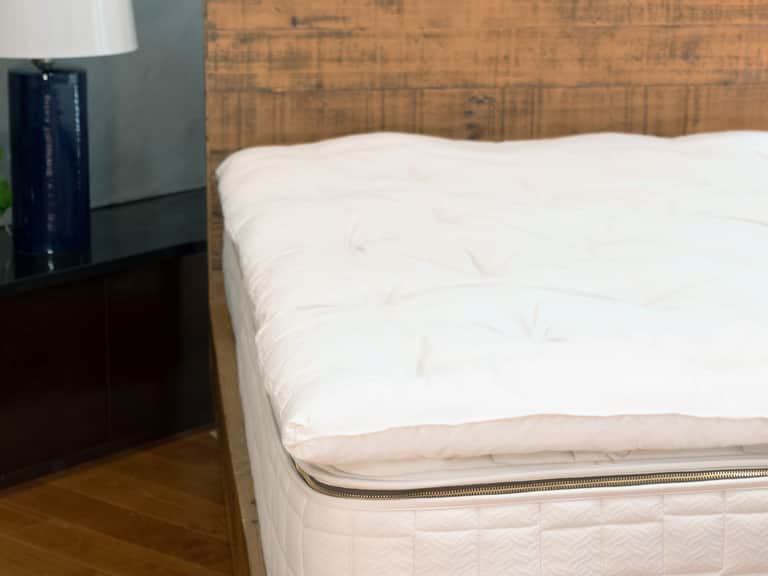
In our exploration of traditional materials, the Naturepedic Wooly Mattress Topper stands out as a modern homage to wool’s ancient comfort. The Wooly is a 3-inch topper crafted from GOTS-certified organic wool, encased in breathable organic cotton sateen. It embodies the spirit of heritage crafts—natural, breathable, and resilient—while delivering contemporary safety standards and a hotel-quality finish for today’s bedrooms.
- Texture and temperature regulation: Natural wool fibers regulate heat, keeping you comfortable across seasons.
- Ethical material sourcing: GOTS-certified organic wool with a cotton cover guarantees a non-toxic sleep surface.
- Durability and care: The topper is designed for longevity and simple care with spot cleaning and rotation guidelines.
Naturepedic Wooly Topper — 3" Woolly Comfort
SKU PQ94 | Price: $749.00
Transform your mattress with the Wooly 3" topper, delivering plush softness and supportive loft. Its wool layers provide temperature regulation and moisture-wicking properties for year-round comfort. The luxurious organic cotton sateen cover ensures breathable comfort, free from synthetic materials or chemical flame retardants.
Product highlights: 3" thickness, GOTS-certified wool, organic cotton cover, 10-year limited warranty.
A Glossary of Terms for Horsehair Craft and Upholstery
To understand the lineage of horsehair crafts, a small glossary of terms helps anchor the reader in the language of tradition. Terms cover fiber blends, weaving methods, and museum-grade conservation vocabulary that recur in archival literature and conservator notes.
- Horsehair: A natural fiber sourced from horse tails or manes, prized for its resilience and springiness in upholstery and instrument bows.
- Padding and Fill: The layering materials used beneath the upholstery fabric, historically including horsehair blends for durability and lift.
- Conservation Coping: Reversible restoration techniques used by conservators to preserve artifact integrity while enabling future intervention.
- GOTS: Global Organic Textile Standard; a certification for organic textiles that ensures environmentally and socially responsible manufacturing.
A Brief Branding Note: Domain Identity and Direction
The domain horsehairtoppers.com invites wondrous interpretations—literal, linguistic, and cultural. In this Vogue-inspired exploration, we tether the concept to a coherent storytelling framework: a historical and cultural journey through horsehair in crafts, with edible depth (timeline, profiles, artifacts) and tasteful, hands-on echoes for modern readers. The recommended direction centers on historical and cultural exploration—an identity built on heritage, artistry, and research-driven storytelling that resonates with readers who crave elegance, nuance, and intellectual curiosity.
Representative Content Map: Starter Topics
- Timeline piece: From ancient upholstery to modern textile revival—key artifacts and museums that preserve horsehair techniques.
- Profile feature: A short-form interview with a conservator who works with horsehair textiles (ethics, challenges, and inspiration).
- DIY-inspired article: Recreating the texture of horsehair finishes with safe, non-animal fibers and natural finishes.
- Artifact story: An annotated image narrative exploring a horsehair-backed chair or ceremonial textile from a specific culture.
- Glossary feature: A period-appropriate glossary explaining material terms and restoration methods.
Closing Reflections
Horsehair, as a material and as a symbol, speaks to resilience, refinement, and the quiet discipline of craft. Its presence in upholstery, bows, textiles, and ceremonial objects is a reminder that beauty often endures because it is built with care, respect for tradition, and an eye toward sustainable, ethical practice. By engaging with its history and offering modern, responsible ways to honor it, this article invites readers to become caretakers of a living heritage—one that remains as relevant, tactile, and luxurious as ever.