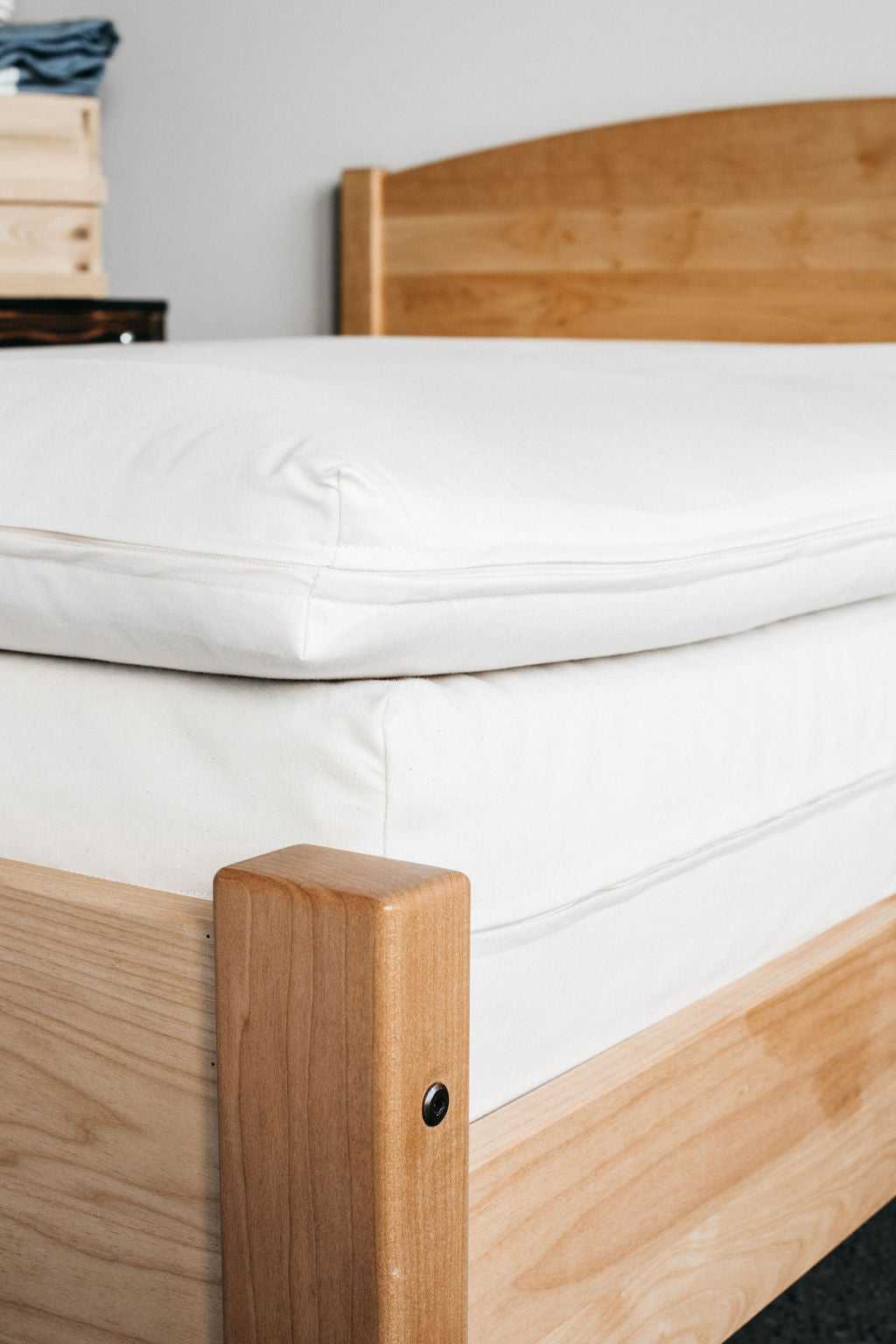
A mattress topper is an added bedding layer placed over a mattress to adjust its surface feel without replacing the underlying mattress. Topper materials influence cushioning, support, temperature regulation, and moisture management. Understanding these characteristics can help explain how different designs contribute to sleep comfort and how they fit into a complete bedding setup.
The Natural Wool & Latex Mattress Topper combines two materials with distinct functions. Latex provides resilient cushioning that responds to body weight, while wool adds a soft, breathable surface layer. Together, these materials can offer a balance of pressure-sensitive comfort and supportive feel for people seeking an alternative to a new mattress.
Latex mattress toppers are valued for their elasticity and ability to recover their shape after compression. This responsive quality can help distribute pressure across contact areas while maintaining a buoyant feel. Latex construction and thickness affect firmness and support, so the way a topper feels depends on its design and the mattress beneath it.
Wool mattress toppers use natural fibers that can help manage warmth and humidity near the sleeping surface. Wool’s breathable structure supports airflow and absorbs some moisture, which may contribute to a more comfortable bedding environment across changing temperatures. Its cushioning also adds a soft layer without functioning as a substitute for mattress support.
When evaluating toppers, consider material composition, loft, firmness, care requirements, and compatibility with existing mattresses. A natural wool and latex design may suit sleepers looking for responsive cushioning alongside breathable fiber comfort. These features are useful points of comparison when choosing bedding layers for different sleep preferences and bedroom conditions.
 Bedding